
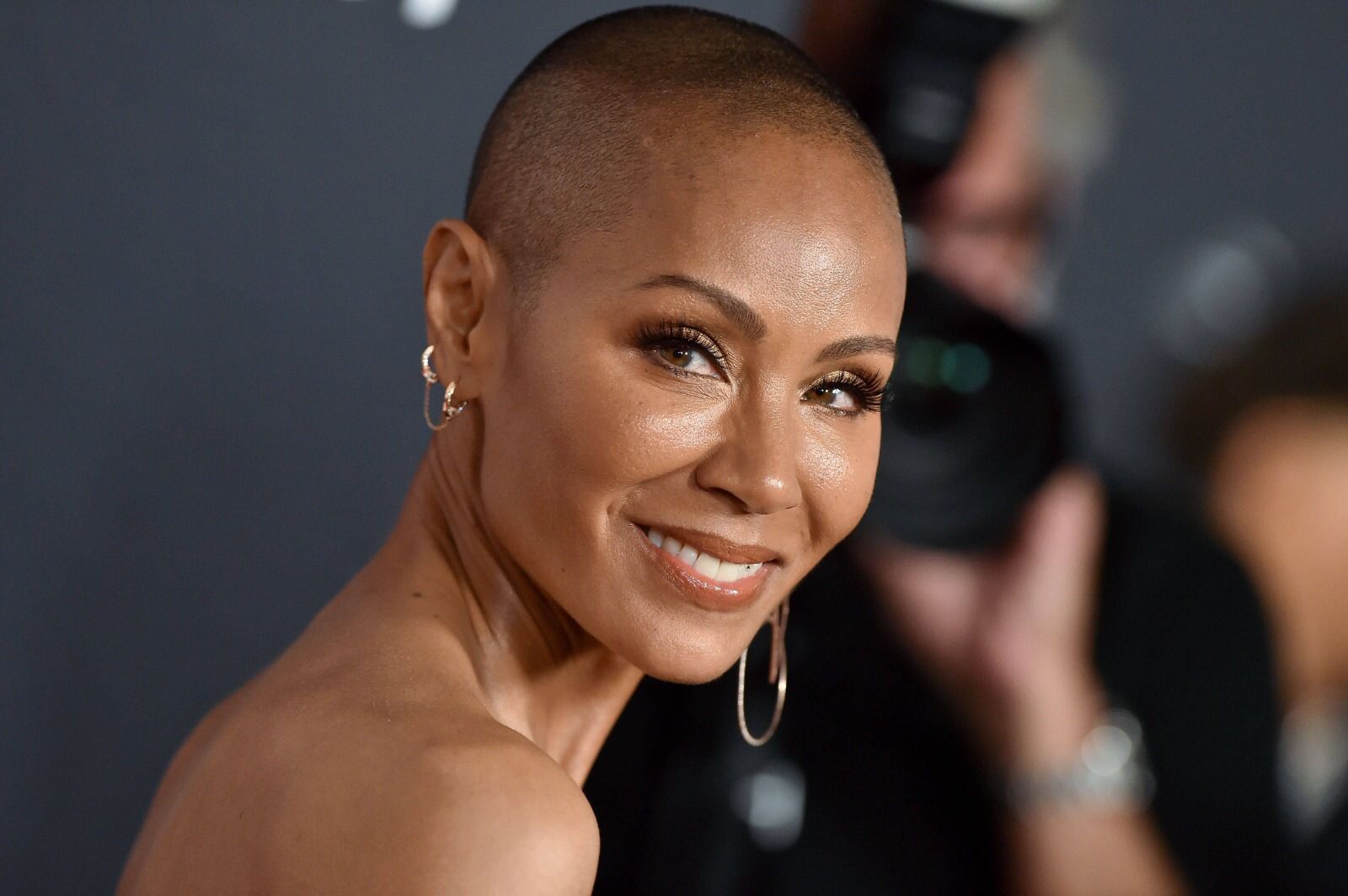
Jada Pinkett Smith has alopecia areata — an autoimmune disease in which the immune system mistakenly attacks the body’s own hair follicles, causing patchy hair loss on the scalp and other parts of the body. There is no cure, but treatments are available. She first revealed her diagnosis publicly in 2018. If you’ve been searching for what disease Jada Pinkett Smith has, you’ve likely seen photos of her shaved head and wondered about the story behind it.
It’s a story she’s shared openly and courageously — one that has brought worldwide attention to a condition millions of people live with quietly. Here’s everything you need to know: what alopecia areata is, what it does to the body, how it’s treated, and how Jada Pinkett Smith has handled her diagnosis with remarkable grace.
Jada Pinkett Smith’s Diagnosis: Alopecia Areata
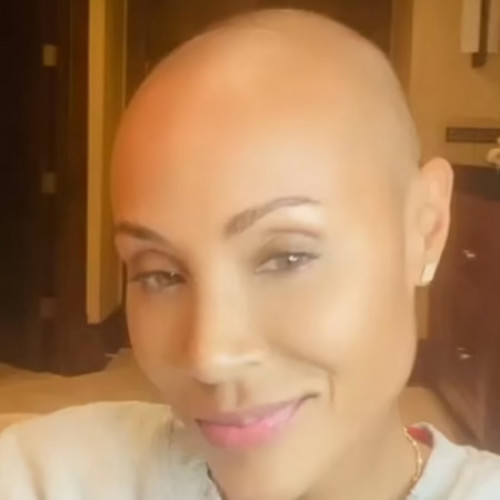
Jada Pinkett Smith has alopecia areata, an autoimmune condition that causes the immune system to attack hair follicles — leading to hair loss in patches that can grow larger over time. She first spoke about it on a 2018 episode of her Facebook Watch show Red Table Talk, describing how she discovered handfuls of her hair falling out in the shower. She called the experience terrifying. At first, she wore a wig to conceal the hair loss. But she later made the decision to shave her head entirely and go public — saying she felt she owed all those little girls an explanation.
The topic came sharply into the public eye in March 2022 at the Academy Awards, when comedian Chris Rock made a joke about Pinkett Smith’s shaved head. Her husband Will Smith responded by walking onstage and slapping Rock — a moment that became one of the most talked-about events in Oscars history, and one that also drew massive global attention to alopecia areata and the people who live with it. In December 2021, just months before the Oscars incident, Jada had posted an Instagram video pointing to a hairless strip on top of her already-shaved head, saying: Now at this point, I can only laugh.
What Is Alopecia Areata? A Clear Explanation
Alopecia areata is a chronic autoimmune disease. The word “alopecia” simply means hair loss in Latin — but alopecia areata is a specific, medically defined condition in which the body’s immune system mistakenly identifies hair follicles as a threat and attacks them.
When follicles are attacked, they shrink. Hair growth slows dramatically or stops entirely. The result is hair falling out in small, round patches — often about the size of a coin — typically on the scalp, though it can also affect eyebrows, eyelashes, facial hair, and body hair.
Crucially, the follicles themselves are not permanently destroyed. This means hair can — and often does — regrow, though in many cases it falls out again. The condition is unpredictable: some people experience a single episode and full regrowth, while others live with recurring or permanent hair loss.
Also Read: What Disease Does Tom Selleck Have?
Types of Alopecia Areata
- Alopecia areata (patchy) — The most common form; one or more coin-sized bald patches on the scalp or body
- Alopecia totalis — Total or near-total loss of hair on the scalp
- Alopecia universalis — Complete or near-complete hair loss across the scalp, face, and entire body (the rarest form)
- Diffuse alopecia areata — Sudden thinning across the whole scalp rather than distinct patches
- Ophiasis alopecia areata — Hair loss in a band-like pattern around the sides and back of the head
Nearly 7 million people in the United States are affected by some form of alopecia areata, making it the second most common form of hair loss after male and female pattern baldness.
What Causes Alopecia Areata?
Alopecia areata is an autoimmune disorder — meaning the body’s immune system malfunctions and attacks itself. In this case, it targets hair follicles, treating them as foreign invaders in the same way it might respond to a virus or bacteria.
Scientists believe the following factors play a role:
- Genetics — People with a family history of alopecia areata are at higher risk. Certain genes linked to immune system function have been connected to the condition.
- Other autoimmune conditions — Having psoriasis, thyroid disease, vitiligo, or Type 1 diabetes may increase the risk of developing alopecia areata.
- Environmental triggers — Stress or illness may trigger the onset or a flare-up of the disease in people who are genetically predisposed — though stress is an exacerbating factor, not the root cause.
An important fact: Even identical twins with the same genetic makeup only have about a 50% chance of both developing the condition — which means genes alone don’t determine whether it appears. Other unknown triggers play a role.
Also Read: How Is Dolly Parton’s Health in 2026? Latest Update
Alopecia areata is not contagious. It is not caused by poor nutrition, hair products, or anything a person did or didn’t do. It can affect anyone, of any gender, age, race, or ethnicity.
Symptoms: What Does Alopecia Areata Look Like?
The primary and most obvious symptom is hair loss — but the condition can manifest in several ways:
- Small, smooth, round bald patches on the scalp (the hallmark symptom)
- Patches may expand and merge into larger areas of baldness
- Hair loss in eyebrows, eyelashes, beard, or body hair
- Hair may regrow in one area while falling out in another
- Nails can become pitted, ridged, brittle, or feel rough like sandpaper — affecting up to 46% of people with the condition
- In rare cases, a mild tingling or burning sensation before hair falls out
Unlike some hair loss conditions, alopecia areata leaves the skin smooth and otherwise healthy-looking in the bald patches — there is no scarring, redness, or scaling (unless another condition is also present).
How Is Alopecia Areata Treated?
There is currently no cure for alopecia areata. However, multiple treatments exist that can help stimulate hair regrowth or slow further loss. Treatment depends on the severity of hair loss and how the individual’s body responds.
Common Treatments
- Corticosteroid injections — Injected directly into bald patches every 4–6 weeks. This is considered the most effective treatment for mild to moderate patchy hair loss, with more than 80% of patients in some studies seeing significant regrowth within 12 weeks.
- Topical corticosteroids — Creams or liquids applied to affected areas to suppress the immune response.
- Minoxidil (Rogaine) — Often used alongside corticosteroids to encourage regrowth and maintain it.
- JAK inhibitors — A newer class of medication representing a major breakthrough in treatment. In 2022, the FDA approved baricitinib (Olumiant) for severe alopecia areata in adults. In 2023, ritlecitinib (LITFULO) was approved for ages 12 and older. In 2024, deuruxolitinib (Leqselvi) received FDA approval as well.
- Topical immunotherapy — Application of a chemical irritant like squaric acid that triggers a mild rash, which appears to redirect the immune system away from attacking hair follicles.
- Platelet Rich Plasma (PRP) therapy — A regenerative approach used alongside other treatments.
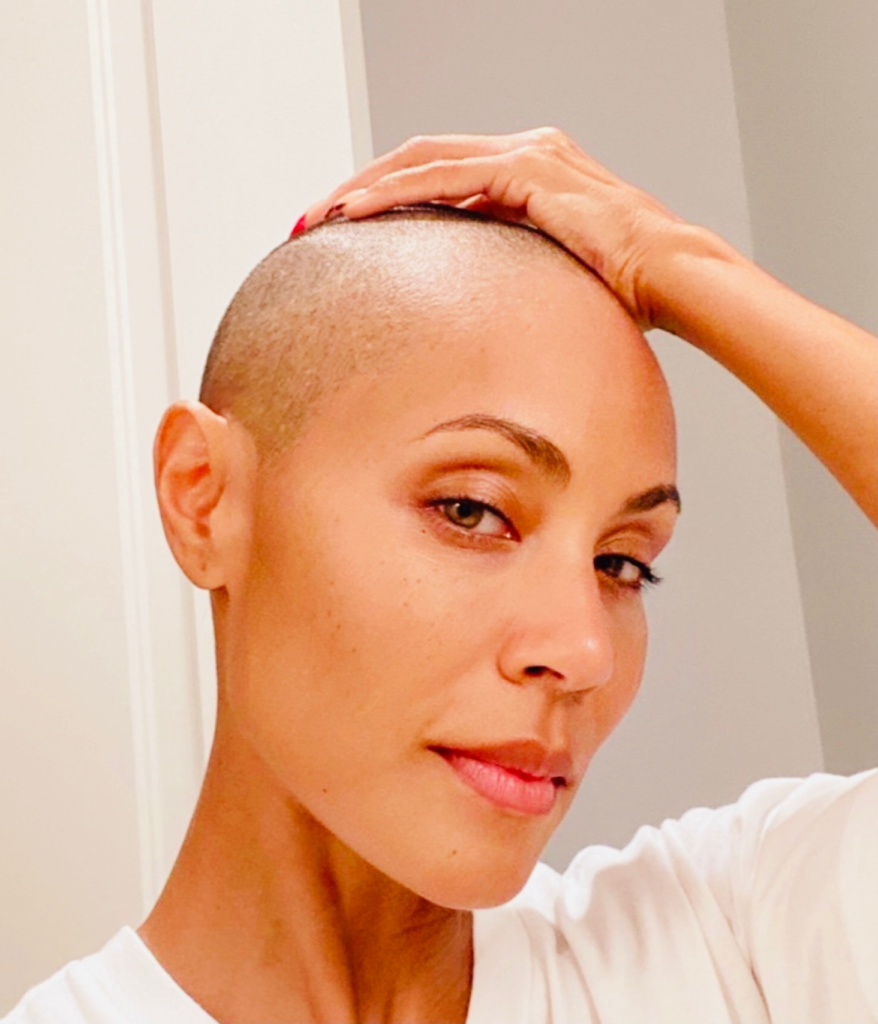
Jada Pinkett Smith revealed in 2018 that she was receiving steroid injections as part of her own treatment. In 2023, she shared photos showing significant hair regrowth — a hopeful sign for the millions watching her journey.
Also Read: What We Know (— and What We Don’t) About Wayde King’s Illness
Jada’s Journey: From Diagnosis to Advocacy
What sets Jada Pinkett Smith apart is not just her diagnosis — it’s how she’s chosen to handle it publicly. In a culture that often places enormous value on women’s hair as a symbol of femininity and beauty, going public with alopecia areata — and eventually shaving her head entirely — was an act of real vulnerability.
Her openness prompted an outpouring of support from women around the world who had been hiding their own hair loss for years. Alopecia awareness organizations praised her for giving others the courage to step forward. One woman tweeted simply: “Thank you Jada for giving me the courage to go bald.”
By August 2023, Jada shared photos on Instagram showing notable hair regrowth — captioning the post with warmth and humor. She had not given up. She was still fighting — and still sharing that fight with the world.

Her story has done more for alopecia awareness than nearly any other public moment in recent memory. That matters. For the 147 million people worldwide living with the condition, being seen is everything.
Final Thoughts
Jada Pinkett Smith has alopecia areata — a chronic autoimmune disease that causes unpredictable, patchy hair loss. It has no cure, but it has treatments, and it has something else now too: a famous, brave face attached to it. What Jada has done by speaking openly about her diagnosis — before cameras, before critics, before millions of viewers — is remind the world that this condition is real, it’s common, and it deserves to be taken seriously. Not laughed at. Not minimized. Understood. If you or someone you love is experiencing hair loss, speak with a board-certified dermatologist. With the advances in treatment in recent years, there has never been more reason for hope.
Almost 7 million Americans live with alopecia areata. Because of voices like Jada Pinkett Smith’s, more of them are finally being seen.
FAQs
What exactly is the disease Jada Pinkett Smith has?
Jada Pinkett Smith has alopecia areata, an autoimmune disease in which the immune system mistakenly attacks hair follicles, causing patchy hair loss on the scalp and elsewhere on the body. It is chronic but not life-threatening.
Is alopecia areata the same as regular hair loss?
No. Regular hair loss (like male or female pattern baldness) is typically driven by genetics and hormones, and usually causes gradual thinning. Alopecia areata is an autoimmune condition — the immune system is actively attacking follicles — and it can cause sudden, patchy hair loss at any age, in anyone.
Can alopecia areata be cured?
There is currently no cure. However, many people do experience hair regrowth — either spontaneously or with treatment. New FDA-approved medications called JAK inhibitors (approved between 2022–2024) have shown significant effectiveness in clinical trials, offering real hope for people with moderate to severe cases.
Does alopecia areata affect overall health?
Alopecia areata does not typically affect physical health beyond hair and nail changes. However, it can have significant psychological and emotional effects — including anxiety, depression, and reduced self-esteem — particularly when hair loss is extensive or visible. Support groups and therapy are important parts of a comprehensive treatment plan.
Who else has alopecia areata
Several other public figures have spoken about living with alopecia areata, including U.S. Representative Ayanna Pressley and actor Matt Lucas. Their openness — alongside Jada’s — has helped reduce the stigma around this widely misunderstood condition.